FX SA supports its clients in the detection, analysis, understanding, and resolution of defects affecting the building envelope. We intervene to establish precise technical reports, identify building pathologies, and determine their root causes, whether they involve construction defects, design flaws, non-conformities, or deterioration over time.
FX SA provides clear, objective, and actionable expert reports, intended to inform the decisions of building owners, insurers, technical partners, or Courts, whether in an amicable context or in preparation for legal proceedings.
In addition to consulting, FX SA carries out numerous expert assessments.
An expert assessment is essential when a defect appears, whether it involves infiltrations, execution defects, premature deterioration, or non-conformities. It makes it possible to identify the real causes of observed problems, measure their technical and financial consequences, and provide an objective basis for any decision-making.
An expert assessment always consists of two complementary components:
The legal component, conducted by lawyers or legal experts, addresses contractual and regulatory aspects, including prescription deadlines and the determination of responsibilities.
The technical component, carried out by architects, engineers, and specialists, involves analyzing the defects, identifying the causes, and evaluating the consequences for the structure.
In the context of a judicial expert assessment, for example, the judge determines responsibilities after reviewing the technical expert report, whose role is to clearly and objectively explain the causes of the observed defects.
Thus, in an expert assessment, both approaches (legal and technical) are inseparable: without technical analysis, it is impossible to objectively understand the facts; without legal analysis, it is difficult to establish responsibilities or consider appropriate remedies.
A Dual-Approach Expert Assessment
Technical and Legal, an Inseparable Approach
The strength of FXSA lies in its ability to integrate these two dimensions from the earliest stages of the expert assessment.
This comprehensive approach guarantees a complete understanding of the situations encountered and allows for the production of solid analyses, usable both technically and legally.
Technical Component
Analysis, Investigations, and Technical Solutions
The technical part of the expert assessment aims to precisely understand the defects affecting the structure, their origins, and their impacts. It is based on methodical investigations and in-depth analyses.
Contractual Framework, Responsibilities, and Remedies
The legal component complements the technical analysis by placing it within a precise legal and contractual framework. It makes it possible to identify the obligations of the different parties and to evaluate potential responsibilities.
As of January 1, 2025, an important revision of the CPC (Swiss Code of Civil Procedure) modified the status of private expert assessments in Switzerland: these reports are now classified as documentary evidence (physical records) and must be considered by courts in the evaluation of evidence, even in summary proceedings. This does not, however, automatically give the private report the same evidentiary weight as a judicial expert assessment, but it explicitly recognizes their admissibility as evidence, which constitutes a significant evolution in Swiss civil procedure law: before 2025, only the court-ordered expert assessment had a fully autonomous status as an element of evidence.
Clarity, Objectivity, and Reliability
Each mission is conducted with independence, method, and transparency. FXSA's objective is to provide expert assessments that are understandable, technically solid, and legally actionable, enabling each party to have a clear view of the situation and possible options.
Technical Expertises
The Issues We Analyze
As a member of the UTS Swiss Engineering and Swiss Experts chambers, FXSA is authorized to provide a comprehensive technical analysis of the building envelope and to issue an authorized opinion. FXSA works on a wide range of defects and pathologies affecting the building envelope. The technical expert assessment identifies visible manifestations, investigates their causes, and evaluates defects related to materials, design, execution, or aging of systems.
Common Defects
Facade defects
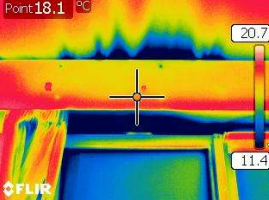
Air and water infiltrations
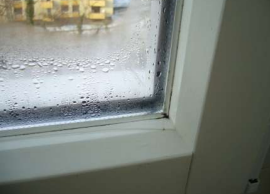
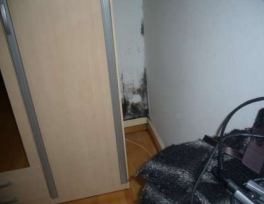
Condensation and mold
Summer overheating
Thermal and acoustic discomfort
Specific Technical Defects
Glass breakage
Glass scratches and scrapes
Severe thermal bridges
Defective waterproofing
Specialized Analysis
Materials, Joints, and Execution Defects
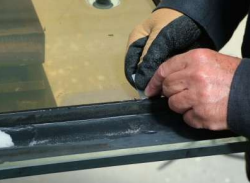
The expert assessment does not only focus on visible symptoms. It also analyzes materials, joints, construction details, and defects related to design, dimensioning, manufacturing, or implementation. This technical reading makes it possible to distinguish the manifestations of the defect from their real causes.
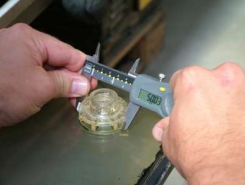
FXSA works in the analysis of defects, breakages, and flaws affecting glazing. The glass expert assessment aims to identify breakage mechanisms, distinguish manufacturing or processing defects, evaluate visual acceptance criteria, and relate observed manifestations to actual implementation conditions. This reading makes it possible to differentiate between an isolated damage, an execution defect, a manufacturing weakness, or a breakage linked to constraints experienced by the glazing. As a specialized AMO in the building envelope, we support building owners and project teams upstream of operations, particularly in the context of architectural competitions or preliminary studies, in order to integrate the technical requirements of the envelope from the design phase and ensure lasting performance of structures.
Breakages
Main Types of Glass Breakage
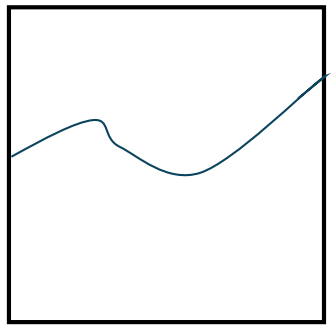
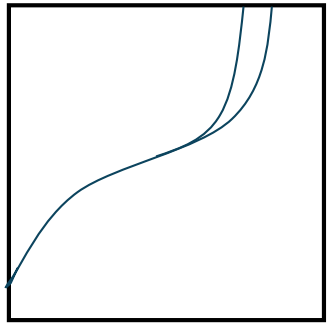
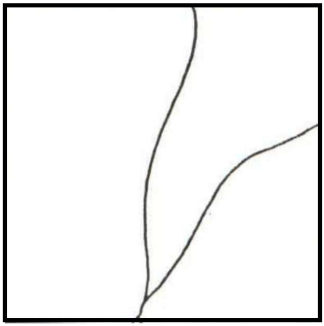
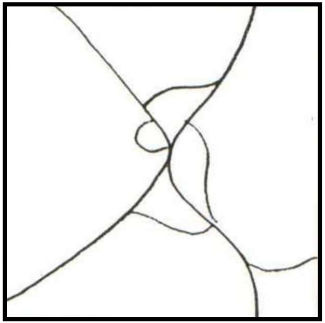
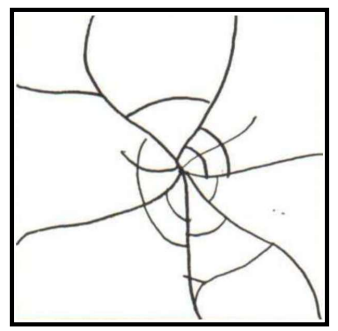
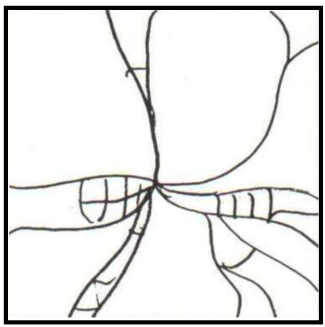
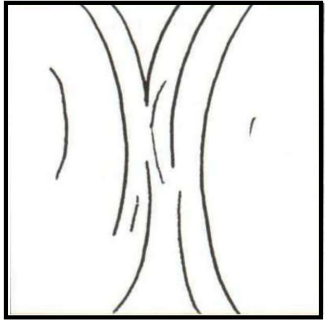
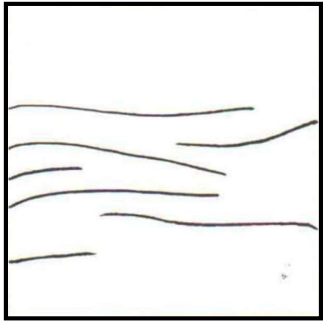
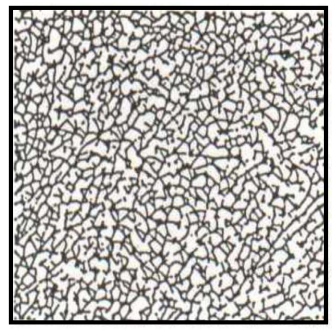
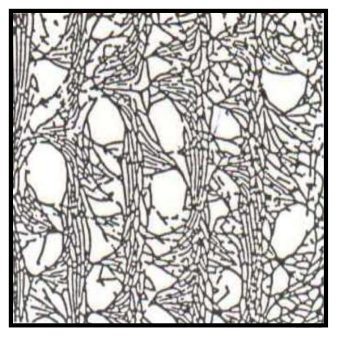
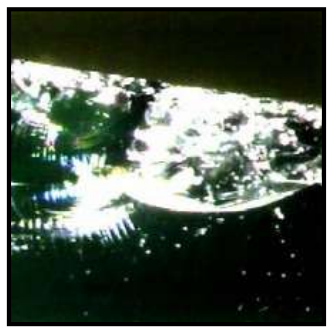
The analysis of breakages helps guide the diagnosis toward the probable origin of the rupture. According to the morphology of cracks, their starting point, and their development, it is possible to distinguish different mechanisms, such as thermal shock, mechanical stresses, peripheral impact, localized pressure, implosion, or buckling phenomenon. The observation of the fracture surface thus constitutes an essential step in the expert assessment.
Thermal shock
Mechanical stresses
Peripheral impact
External pressure
Center impact
Pressure in the middle
Implosion
Buckling
Tempered glass
Heat-strengthened glass
Thermal shock
Mechanical stresses
Peripheral impact
External pressure
Center impact
Pressure in the middle
Implosion
Buckling
Tempered glass
Heat-strengthened glass
Manufacturing and Processing Defects
Identifying Glass Defects and Their Possible Origins
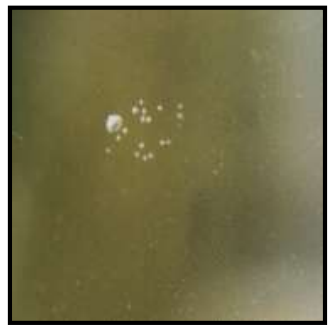
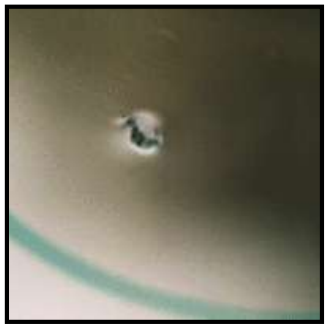
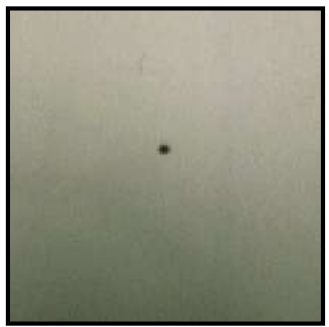
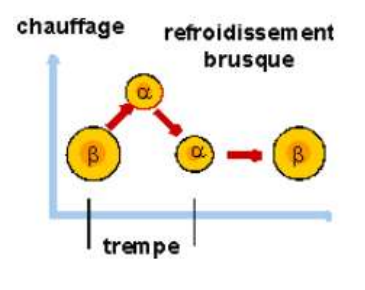
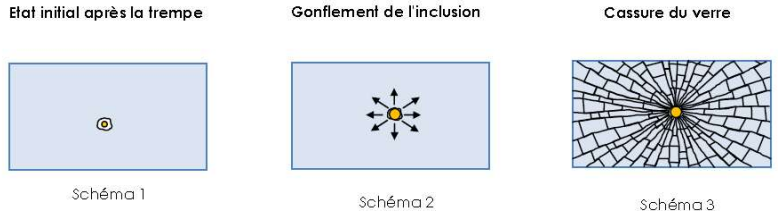
The glass expert assessment also covers defects that do not directly result from breakage but from an alteration or non-conformity of the product. These may include gaseous or solid inclusions, nickel sulfide inclusions, cutting or scratching defects, edge processing defects, polishing, or drilling. The analysis consists of identifying the nature of the defect, its location, its impact on the glazing behavior, and its compatibility with applicable acceptance criteria.
Gaseous inclusions
Solid inclusion
Cutting/scratching
Edge processing
Drilling
Edge polishing
Nickel sulfide inclusions
Visual Evaluation
Acceptance Criteria for Glass Defects
The visual expertise of a glazing is based on standardized observation criteria. At 3 meters distance, on a clear and uniform background, the glass must not present any noticeable variation in color, reflection, or light transmission. Visible defects such as a misaligned interlayer, an irregular seal, or bubbles and spots larger than 1.5 mm perceptible at 2 meters are not considered acceptable. Scratches are also evaluated according to their length, visibility, and position: a 30 mm scratch visible at 3 meters is excluded, while a 30 to 90 mm scratch not visible at this distance can only be tolerated if it is within 30 mm of an edge. Scratches less than 30 mm not visible at 3 meters fall within admissible tolerances.
Concrete Cases
Examples of Glass Expertise and Analysis
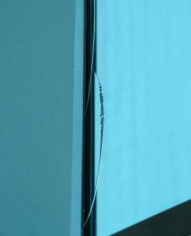
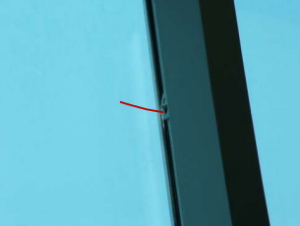
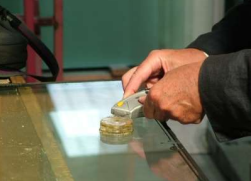
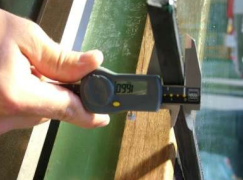
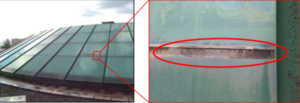
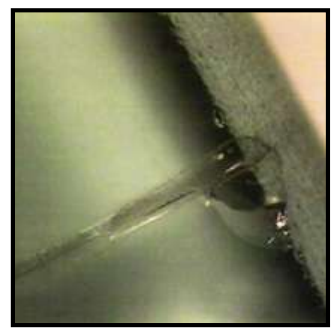
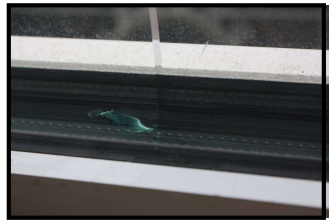
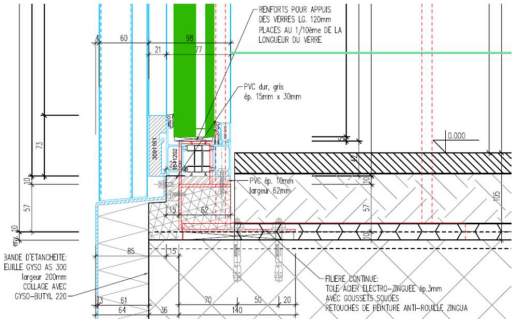
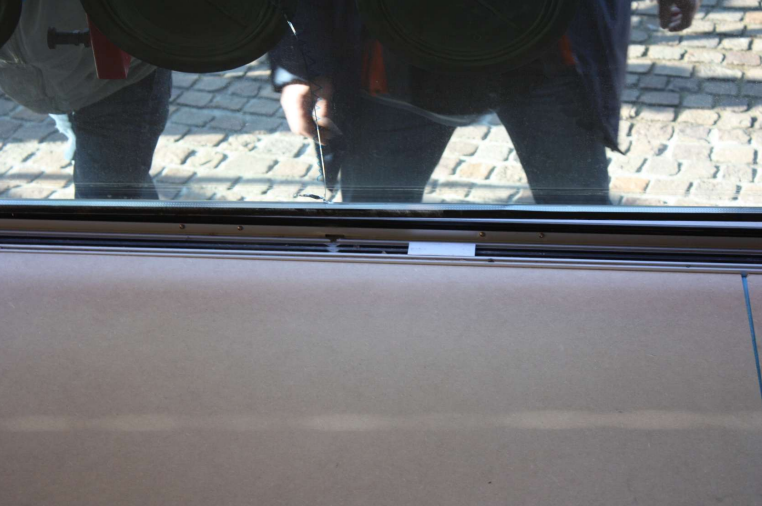
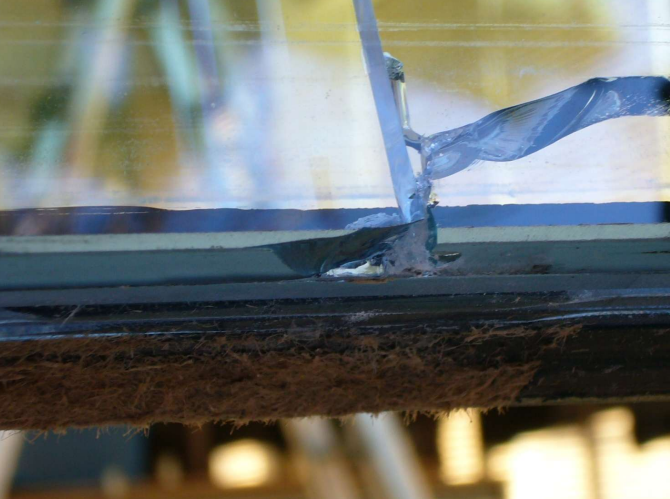
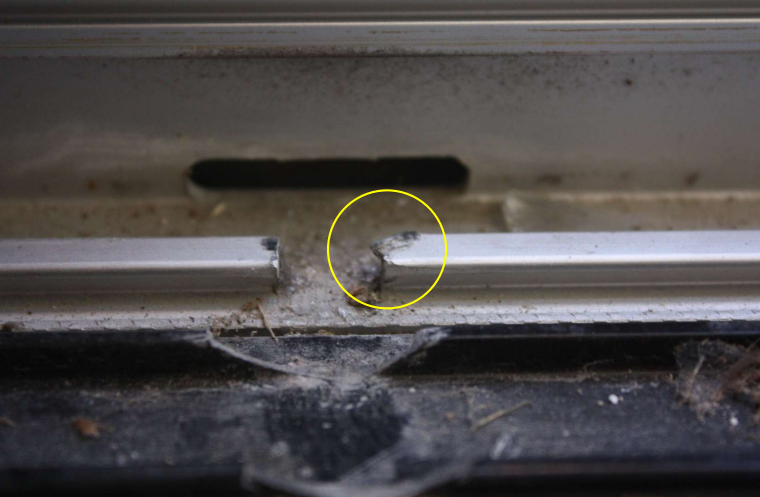
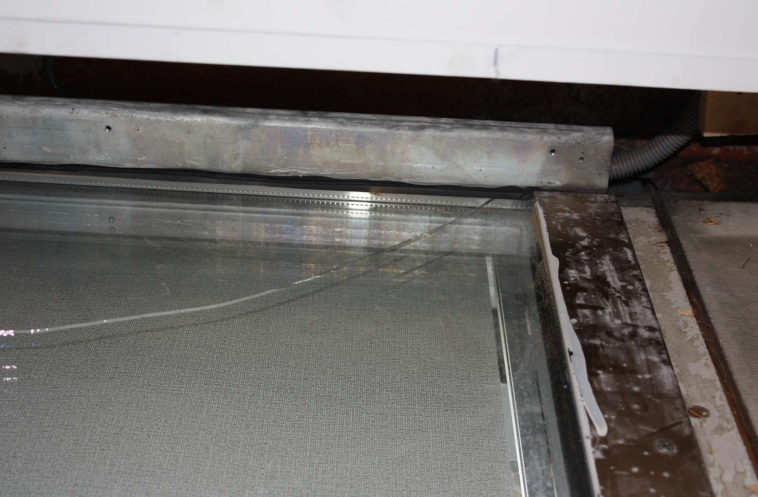
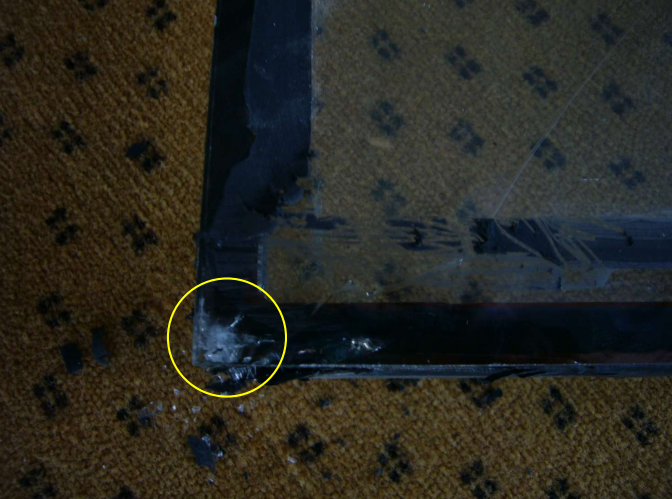
These examples illustrate how glass expertise connects the observed defects to installation details, support conditions, and the constraints actually experienced by the glazing.