Innovations – Patents

Research, Development, and Innovative Solutions for the Building Envelope

FXSA places innovation at the heart of its approach in order to respond to the constant evolution of techniques, materials, and regulatory requirements related to the building envelope.

Through active technology monitoring, the development of custom solutions, and close collaboration with Universities of Applied Sciences, we transform research and experimentation into concrete applications, adapted to construction and renovation projects.

This approach results in the development of innovative solutions, the filing of patents, the organization of competitions dedicated to facade innovation, and continuous involvement in specialized academic and scientific networks.

Innovation

Anticipating Technological and Constructive Developments

FXSA’s engineers are at the forefront of new technologies and materials applied to the building envelope. Mastering new developments is necessary to design constructive solutions adapted to current needs, in terms of standards, functionalities, or investments, for example.

The study and analysis of the characteristics of new products and materials are fundamental elements in the field of innovation. It is also necessary to be attentive to any possible new developments regarding work tools or scientific advances presented at specialized conferences in the field.

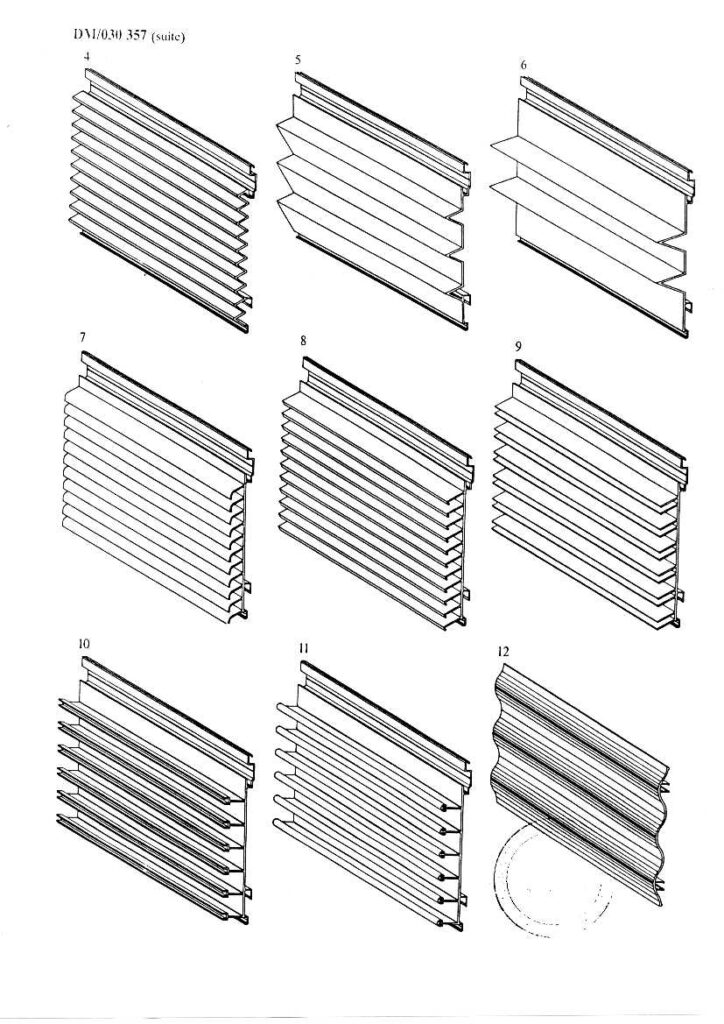
FXSA has mastered the development of new creative solutions, including custom profiles to respect the architectural concept.

Patents

Custom Solutions Born from Research and Experience

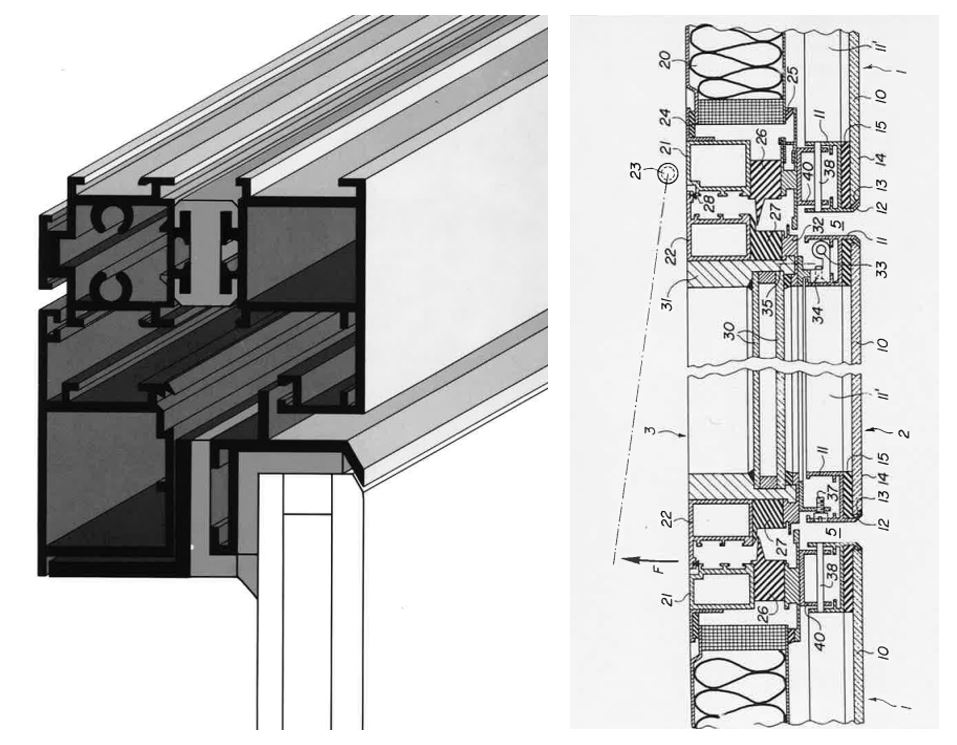
Brevet innovation façade verre FELIWAL – FX SA

FXSA aims to distinguish itself through its ability to deliver comprehensive “custom” solutions, which is often necessary in the field of facades to ensure a design adapted to the construction or renovation project of the envelope.

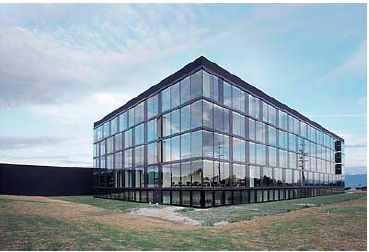
In this spirit of research and innovation, the firm’s team members have successfully filed patents in the field of all-glass facades “structural glazing” type ‘FELIWALL’ and “Design Profile,” which have subsequently been widely used in several construction projects.

FXSA’s strength is the development of custom technical solutions

Brevet innovation façade verre FELIWAL – FX SA
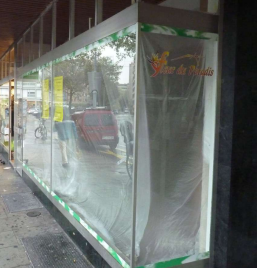
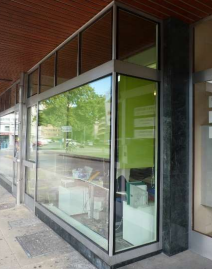
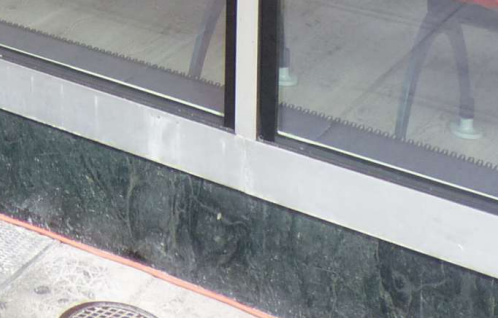
The Treatment of Shopfronts Under Heritage Protection

Preserve the Existing, Improve Performance

In heritage contexts, FXSA develops custom solutions that allow existing frames and joinery to be retained while studying the integration of insulating glazing compatible with architectural and technical constraints.

Note that vacuum insulating glass exists with exceptional performance in the range of 0.4 to 0.8 W/m²K. Unfortunately, dimensions are limited to 2 x 3 m.

Multiple Requirements to Reconcile

Safety, Performance, and Compatibility with the Existing

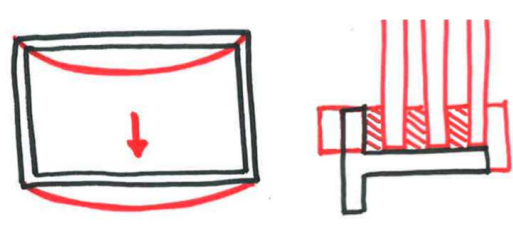
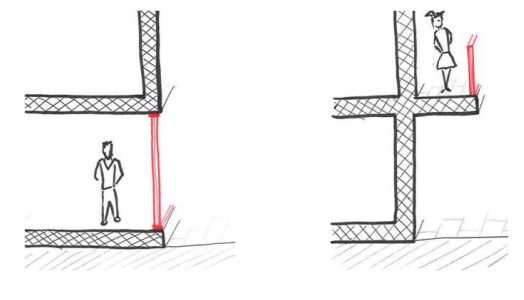
Replacing protected shopfronts requires simultaneously meeting several technical requirements. The intervention must account for resistance to glass weight, wind resistance, safety conditions, as well as constraints related to rebate geometry and integration into existing frames. In addition, there are the thermal and acoustic performance objectives expected in the context of a renovation.

Safety Standards

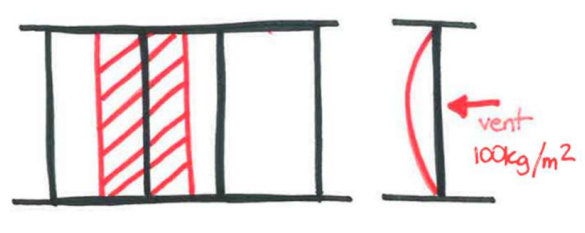
Wind resistance, SIA 260 and 261
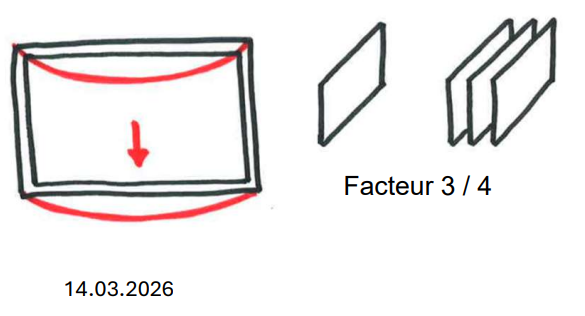
Resistance to glass weight, SIA 263
Rebate dimension, SIGAB
Glass verification, SIA 2057
Energy & Acoustic Standards

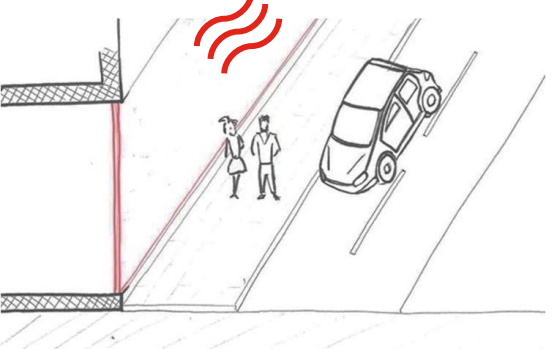
Improving a protected shopfront is not limited to a question of constructive feasibility. It must also meet specific objectives in terms of thermal performance and acoustic comfort. FXSA evaluates glazing solutions according to applicable regulatory requirements and their ability to concretely improve the behavior of the existing envelope.

Thermal Performance

- Target requirement : Uw 1.0
- Existing single glazing: Uw 5.5 à 6.0 W/m²K
- Double glazing : Uw 1.0 à 2.0 W/m²K
- Triple glazing : Uw 0.6 à 1.0 W/m²K
- Vacuum glass : Uw 0.7 W/m²K
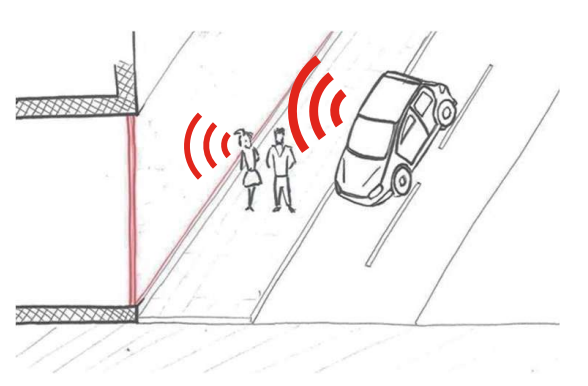
Acoustic Performance

- Reference: SIA 181 : SIA 181
- Single glazing : Rw + Ctr = 24 à 28 dB
- Double glazing : Rw + Ctr = 26 à 36 dB
- Triple glazing: Rw + Ctr = 28 à 36 dB
- Vacuum glass : Rw + Ctr = 30 à 34 dB
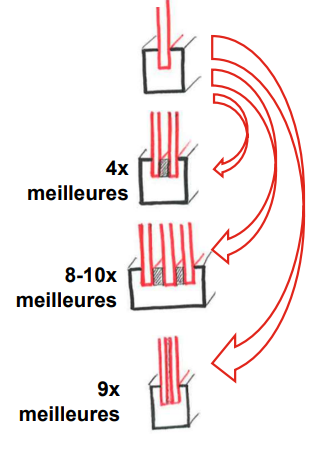
Preserving the Existing Substance

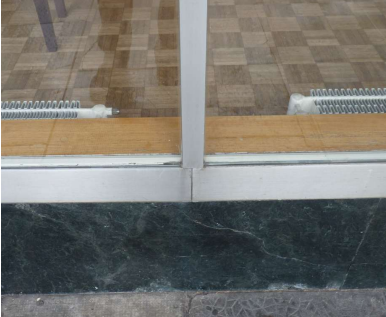
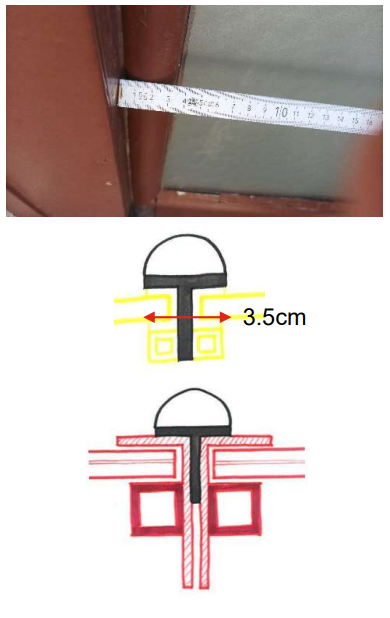
Preserving existing frames relies on a precise analysis of their geometry, materiality, condition, and available cross-sections. This reading of the existing structure identifies under what conditions more performant glazing can be integrated, without compromising technical feasibility or the original architectural expression.

Thin Frame – 3.5 cm

Shallow frames offer a more limited integration margin. Adding insulating glazing then requires a particularly fine adaptation of the constructive solution.
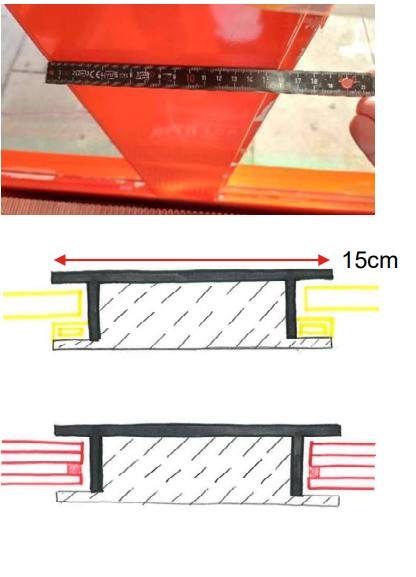
Deep Frame – 15 cm

Deeper frames offer more integration possibilities. They allow for more performant solutions while preserving the existing structure.
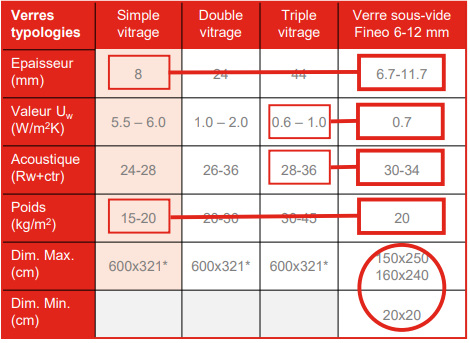
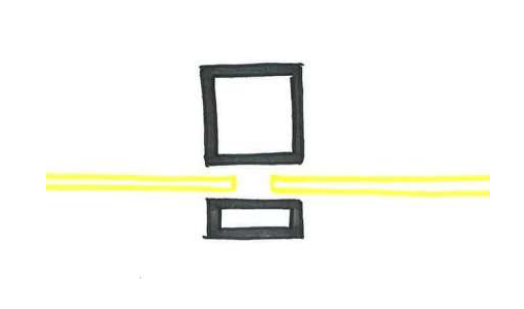
Glazing Selection

The choice of glazing does not depend solely on its thermal performance. It must also account for its thickness, weight, admissible dimensions, and installation conditions. Comparative analysis identifies the most relevant solution according to the constraints of the existing structure and the performance objectives sought.

Selected Solution

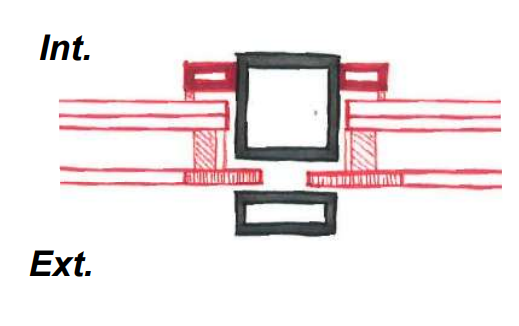
The proposed solution is based on preserving the existing frames, integrating enamelled insulating double glazing, and installing a tailored internal glazing bead. This approach improves the overall performance of the shopfront while respecting the architectural character of the building and limiting the visual impact of the intervention.

Existing

Proposed Solution

Before

After