
Areas of Activity
A comprehensive mastery of the envelope, from energy performance to durability.
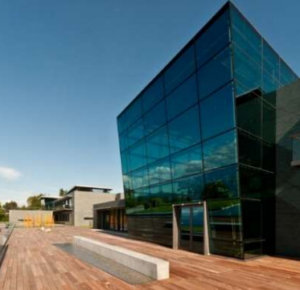
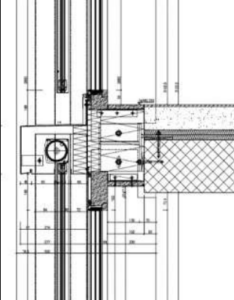
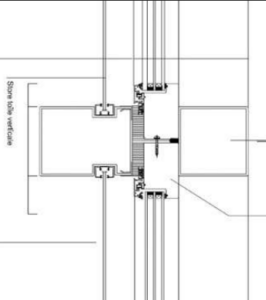
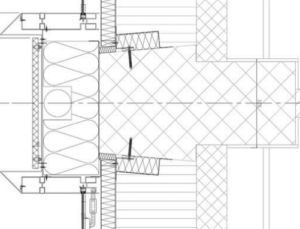
FXSA covers all components of the building envelope, integrating technical, energy, regulatory, and environmental issues from the earliest project phases. Our comprehensive approach covers facades, roofs, openings, waterproofing systems, insulation, and load-bearing structures, with particular attention to thermal performance, hygrothermal comfort, material durability, and structural safety. We support both new construction projects and complex renovations, ensuring a high level of technical requirement, regulatory compliance, and long-term reliability.

Facades
- Curtain walls / lightweight facades: metal, wood, wood-metal, cladding, over-cladding, attached panels
- Element facades
- Solar facades
- External thermal insulation (ETICS)
- Renders, plasters, ceramics
- Ventilated facades
- Double skin
- Load-bearing facades / heavy facades

Roof / Roofing
- Pitched roofs: tiles, slates, shingles, etc.
- Flat roofs / terraces
- Roof waterproofing / waterproofing membranes
- Integration of specific elements: chimneys, dormers, skylights

Waterproofing
- Water tightness (facade, roof, terraces)
- Air tightness (reduction of air leaks, energy performance)
- Wind tightness, noise tightness, etc.
Expertise in Water Infiltration
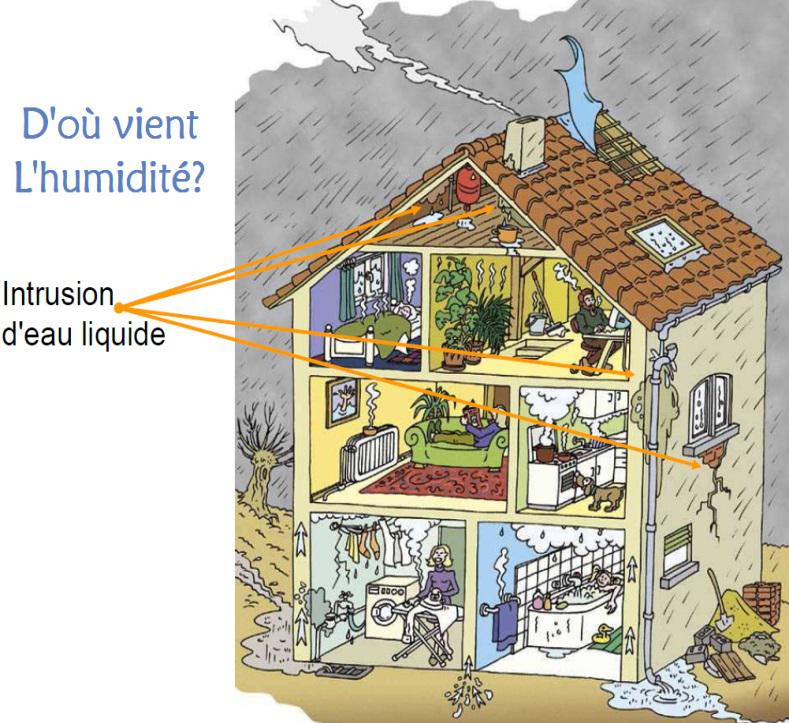
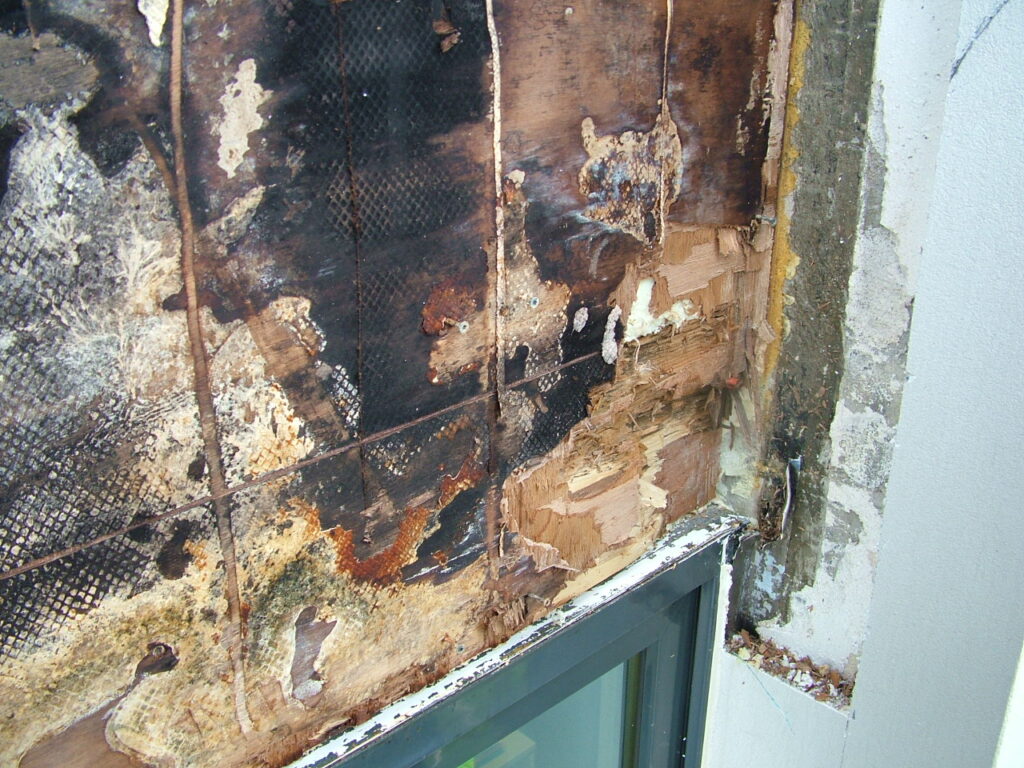
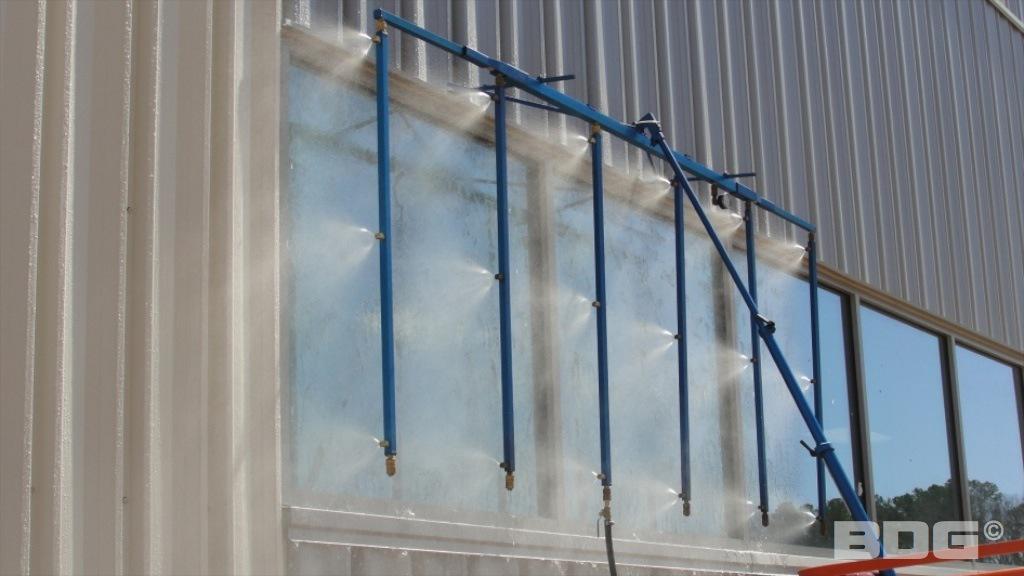
FXSA intervenes to identify and analyze water infiltrations affecting facades, roofs, terraces, and other elements of the building envelope.
Through a methodical approach combining on-site observations and analysis of construction details, we determine the precise origin of defects, whether they are related to waterproofing defects, implementation, or aging of materials. Our diagnostics help define appropriate corrective solutions and provide lasting support to building owners in the prevention of water-related damage.
Expertise in Air Infiltration
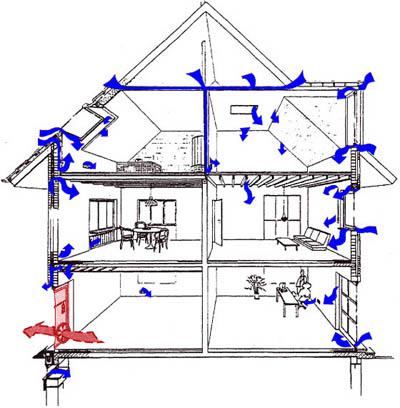
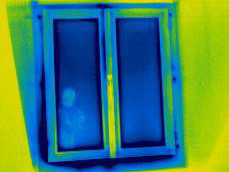
FXSA intervenes to identify and analyze parasitic air infiltrations affecting the building envelope, whether it involves facades, roofs, joinery, or construction junctions.
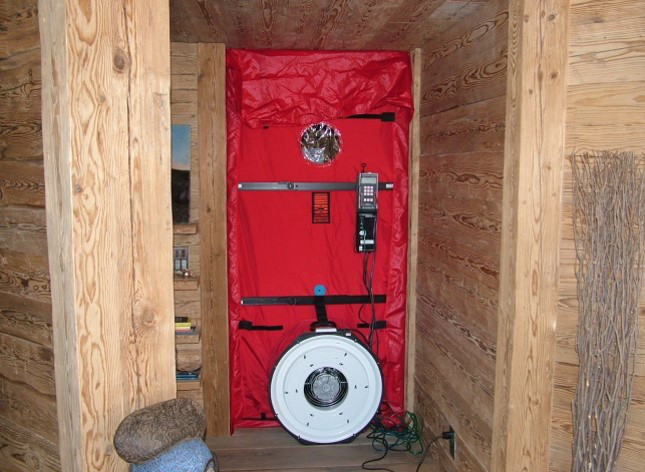
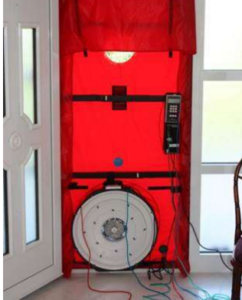
Using adapted investigation methods, such as air tightness tests and airflow analysis, we precisely locate the leaks responsible for energy losses, thermal discomfort, or hygrothermal defects. Our expert assessments help define targeted corrective measures and sustainably improve the energy performance and comfort of buildings.

Openings and Exterior Joinery
- Windows, doors, glass walls, special glazing
- Conservatories, skylights, glass roofs
- Hardware, fittings, seals

Thermal Insulation, Acoustic Insulation, and Hygrothermal Comfort
- Insulation for walls, roofs, floors
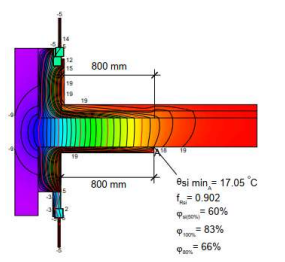
- Overall thermal characteristics of the envelope (transmission, thermal bridges)
- Summer behavior: solar protection, thermal inertia

Solar Protection & Blinds
- Sunbreakers, shutters, exterior blinds
- Protection against summer overheating
- Integration into the facade
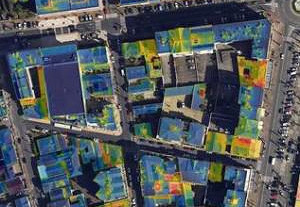
Thermal and Acoustic Mastery of the Envelope
FXSA supports projects in optimizing the thermal and acoustic performance of the building envelope, taking into account comfort requirements, energy efficiency (winter and summer), and durability.
We work on the selection and implementation of insulation for walls, roofs, and floors, as well as the analysis of the overall thermal characteristics of the envelope, particularly transmissions and thermal bridges. Particular attention is paid to the building’s behavior during the summer period. The control of solar gains is indeed an essential lever to limit overheating of premises and guarantee lasting indoor comfort. Solar protections — such as sunbreakers, exterior blinds, shutters, or architectural elements — block radiation before it enters the building, which is the most effective solution to reduce thermal gains through glazing.
This approach is complemented by the analysis of the building’s insulation and thermal inertia, facade orientation, and natural light management in order to achieve an optimal balance between winter and summer comfort, energy efficiency, and quality of use.
Through a methodical approach combining on-site observations and analysis of construction details, we determine the precise origin of defects, whether related to waterproofing defects, implementation, or aging of materials. Our diagnostics help define appropriate corrective solutions and provide lasting support to building owners in the prevention of water-related damage.

Concept + Assembly of Load-Bearing Envelope Structures
- Primary metal, wood, or structural framework
- Lighter secondary substructures (metal profiles, wood frameworks) fixed to the primary structure and designed to receive cladding
- Fixings, supports with thermal breaks
- Scaffolding: https://www.sguv.ch/fr

Materials and Finishes
- Mineral: Natural stone, brick, concrete, render
- Metallic: Aluminum, steel, zinc, copper, ACP panels
- Glazed: Glass facades, curtain walls
- Wood & composites: Natural wood, composite wood
- Technical & modern composites: Fiber cement, HPL, special composites

Energy & Thermal Performance
- Energy diagnostics, dynamic thermal simulation
- Certification / Energy label (building label, Minergie, PassivHaus, etc.)
- Energy renovation strategies
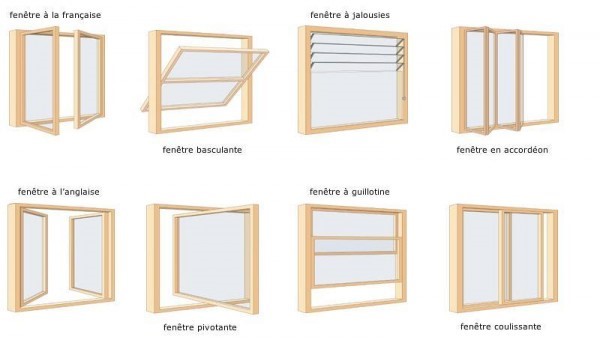
Openings and Exterior Joinery
FXSA works in the analysis and integration of openings and exterior joinery, key elements of the building envelope in terms of thermal performance, waterproofing, and comfort.
We support the selection, design, and implementation of windows, doors, glass walls, and special glazing, as well as conservatories, skylights, and glass roofs. Particular attention is paid to the quality of assemblies, hardware, fittings, and seals, to ensure the durability, waterproofing, and overall performance of the structure.

Durability / Ecological Materials / Environmental Footprint
- Bio-sourced materials
- Recycling, material life cycle
- Protection against pollution, prevention of embodied energy and condensation

Maintenance, Inspection & Pathology
- Inspection of defects / deterioration: infiltrations, cracks, corrosion, surface degradation
- Experts in envelope-related claims (damage, liability, insurance)
- Maintenance plan

Construction passive / bâtiments à haute performance / normes & réglementation
- Air tightness, water tightness per standards
- Thermal, acoustic, environmental standards
- "Low-carbon building" approach
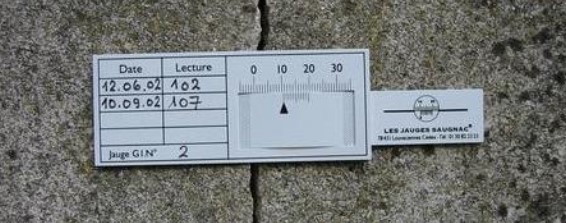
Diagnostics, Inspection, and Monitoring of Structures
FXSA works in the inspection and analysis of pathologies of the building envelope in order to identify defects, understand their causes, and limit their long-term impacts. We carry out targeted inspections (infiltrations, cracks, corrosion, deterioration) and provide objective technical expertise in the event of a claim, as well as appropriate preventive recommendations.
FXSA also supports the selection and implementation of exterior joinery, including windows, doors, glass walls, conservatories, and glass roofs. Particular attention is paid to the quality of assemblies and components to ensure durability, waterproofing, and overall performance.

Integrated Solar / Use of Renewable Energy in the Envelope
- Photovoltaic panels integrated into the roof or facade
- Solar roof / "solar roofs"

Safety and Protection
- Fire protection (fire-resistant coatings, firewall facades)
- Resistance to weather, impacts, strong winds
- Seismicity, stability

Access / Scaffolding / External Installation
- Scaffolding assembly for facade and roof work - sguv.ch
- Access, safety, worker protection
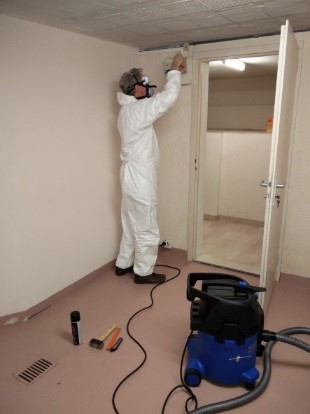
Safety and Protection
FXSA works on safety aspects related to the building envelope, integrating the requirements for the protection of people, structures, and the environment.
We support the implementation of fire protection solutions, including fire-resistant coatings and firewall facades, as well as the analysis of the resistance of structures to weather, impacts, and strong winds. Our interventions also take into account stability and seismicity constraints, as well as the management of health risks, particularly through the identification and protection related to the presence of asbestos during construction or renovation work.
Energy, Comfort, and Envelope Behavior
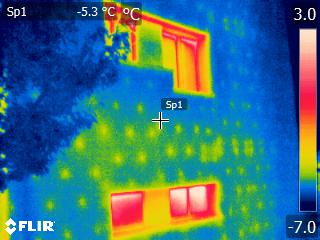
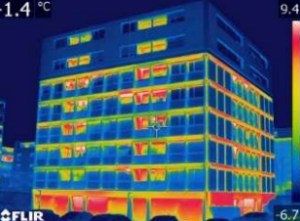
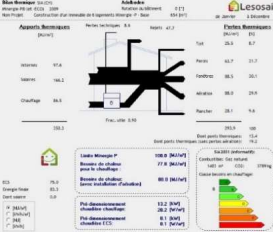
FXSA supports the analysis of the envelope through services related to energy, comfort, and the physical behavior of the building. This approach brings together energy audits, envelope inspection, thermography, owner’s representative assistance, as well as studies related to humidity, air tightness, thermal comfort, acoustics, and indoor air quality. It allows project choices to be guided on coherent and measurable technical bases.


Energy
- Audit, envelope inspection, thermography
- Energy concept
- Owner's Representative Assistance (AMO)
- CECB® and CECB-Plus report
- Energy balance and justifications
- Minergie® certification
- Subsidy file
Sustainable development
- Audit and labeling
Building Physics
- Moisture protection
- Hygrothermal simulation
- Thermal comfort and summer overheating
- Air tightness and BlowerDoor test
- Indoor air quality: air renewal, radon, etc.
Acoustics
- Comfort and noise protection
Design and dimensioning
Facade Engineering and Glass Technology
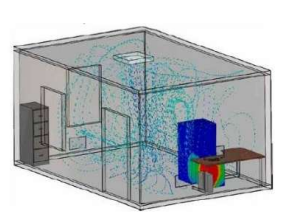
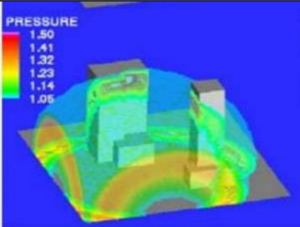
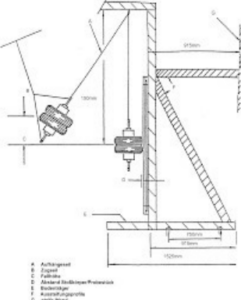
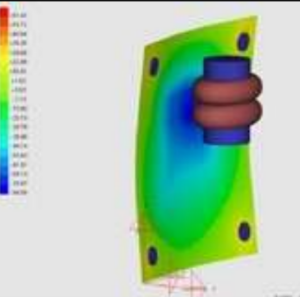
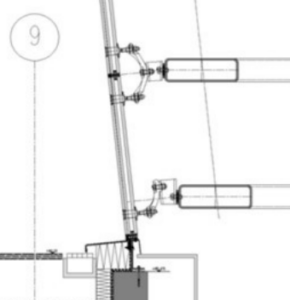
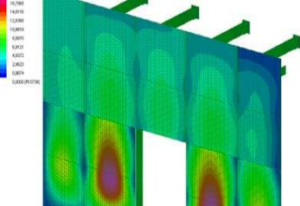
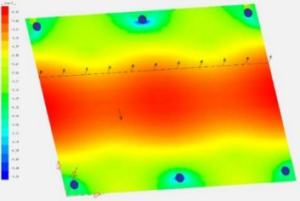
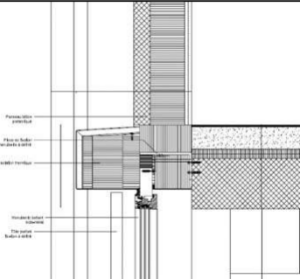
FXSA works on facade engineering issues through system dimensioning, material strength analysis, 3D modeling, and calculation of complex configurations. This activity also covers the study of wind effects, CFD simulations, dynamic responses of facade elements, as well as safety, protection, and glass application issues. It enables the development of coherent, high-performance technical solutions adapted to the architectural constraints of the project.
FACADE ENGINEERING — Services
- Static dimensioning.
- Material strength.
- Design, 3D modeling, and calculation of complex models.
- Wind circulation response guidance (CFD calculation) and vibrations.
- Dynamic response analysis of facade elements.
- Safety and fire protection, break-in, vandalism, explosions, projectiles.
- Glass application technology: Acoustic safety, solar protection, thermal, comfort, structural glass, etc.


FACADE TECHNOLOGY — Services
- Facade engineering
- Glass technology and application
- Competitions, design, construction monitoring, and acceptance
- Budgets & tenders
- Prototypes
- Consulting


Integrating the Carbon Footprint into Envelope Choices
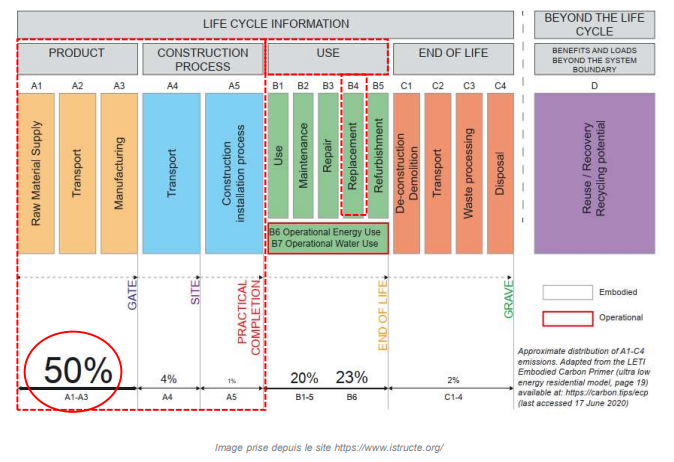
The performance of an envelope is not limited to its thermal, acoustic, or constructive qualities. It is also assessed through its embodied energy, its lifespan, and its carbon footprint over the entire life cycle.
FXSA supports its clients in evaluating and comparing materials, systems, and facade solutions in order to integrate sustainability issues from the design phase, in line with current climate objectives and the long-term requirements of the project.
Why Has the Carbon Footprint Become a Major Issue?
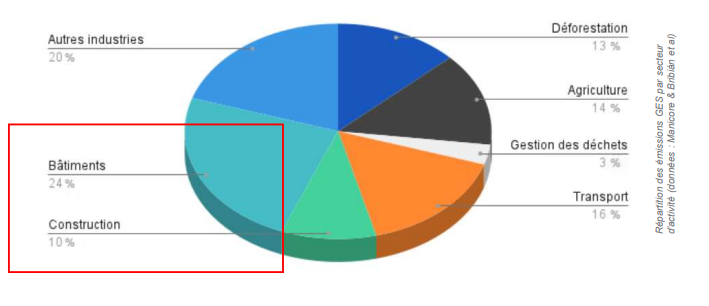
- 24% linked to buildings (construction and operation)
- 10% linked to construction (of which 50% for concrete)
Building decarbonization aims to reduce greenhouse gas emissions associated with structures, materials, and their implementation. In this context, the carbon footprint makes it possible to evaluate the environmental impact of a product, a construction system, or a building as a whole.
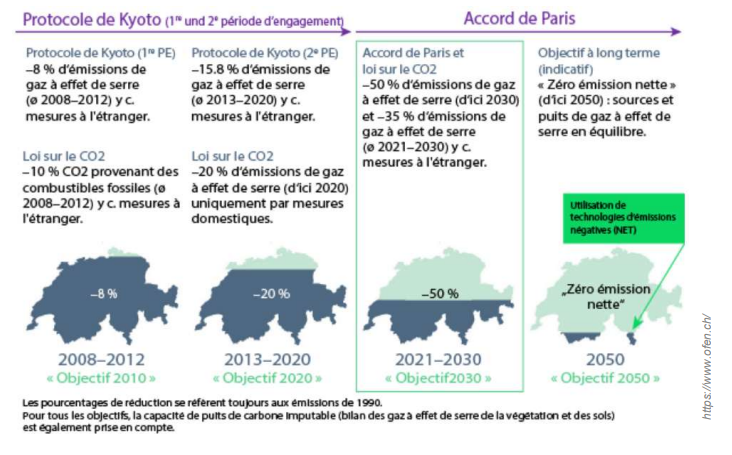
This approach is becoming increasingly important today, in a context where climate objectives foresee a significant reduction in emissions by 2030 and a trajectory toward net neutrality by 2050. The building sector occupies a central place in this regard, both through the impact of construction and through that of operation.
Swiss Climate Strategy
Comparative Analysis
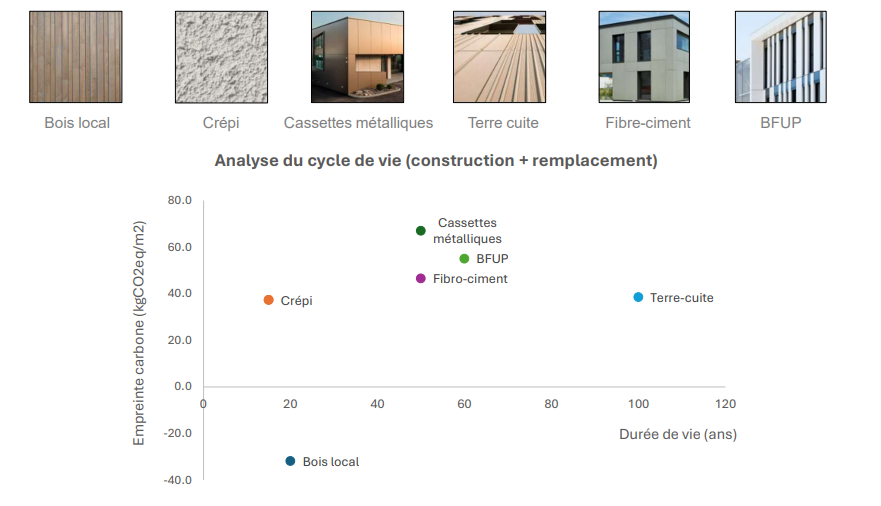
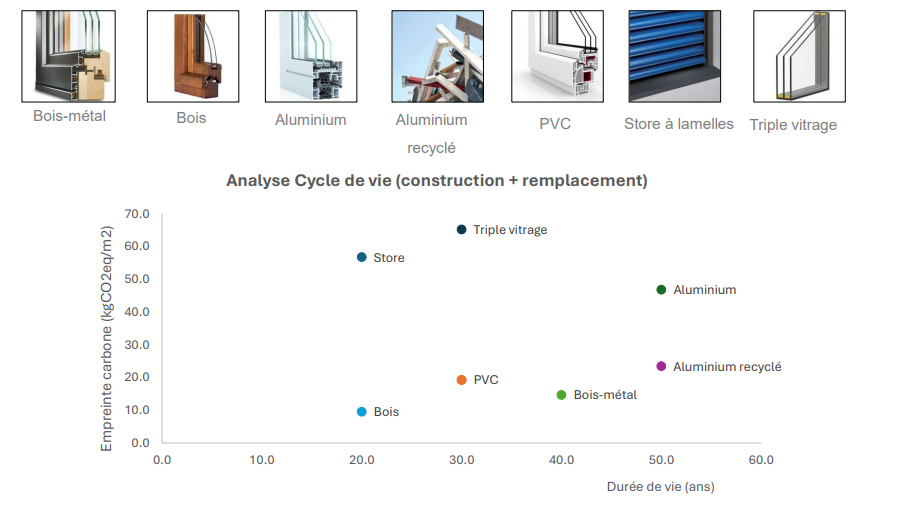
Compare Materials Over Their Entire Life Cycle
The environmental assessment of an envelope cannot be limited to its immediate performance. It must also integrate the embodied energy of materials, their lifespan, their replacement frequency, and their carbon impact over the entire life cycle. This reading makes it possible to compare different families of solutions, such as local wood, plaster, metal cassettes, terracotta, fiber cement, wood joinery, wood-metal, aluminum, PVC, as well as glazing and solar protections. The objective is not to designate a single answer but to inform choices based on project constraints and the desired durability.
Decision Support
Arbitrating Between Construction Impact and Operational Impact
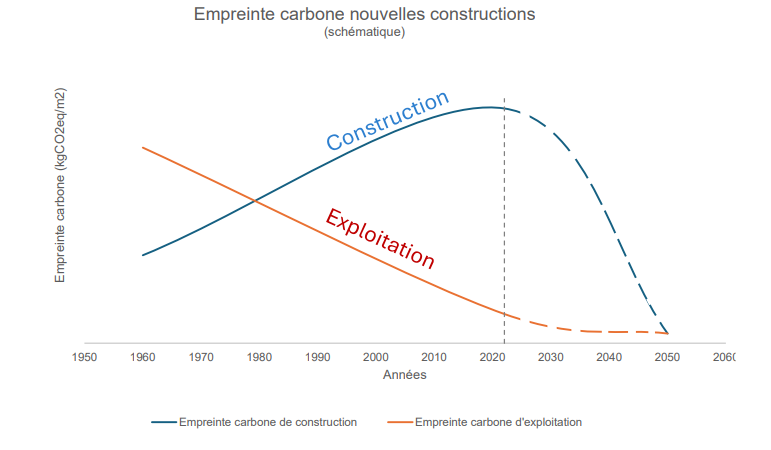
In contemporary buildings, the balance between construction carbon footprint and operational carbon footprint is evolving significantly. As operational energy performance improves, the construction-related share takes on increasing importance in the overall balance. This means that the choice of materials, facade systems, and their lifespan becomes decisive from the design phase. FXSA integrates this multi-criteria reading to help arbitrate between thermal performance, durability, maintenance, technical feasibility, and long-term carbon impact.