
Seventy-two hours is the window most burnt punters forget to count. You bank a loss, swear off the screens for a month, then the itch returns before the fortnight is out. I have watched that cycle repeat across a hundred studio floors, and the pattern never changes when the pacing is wrong. The trick is not to white-knuckle every session but to set achievable targets casino playing Australia that actually survive a bad run. You want a ceiling you can reach without selling the car, and a floor that keeps you in the game when the reels turn cold.
Geelong’s waterfront has a habit of putting things in perspective. Watch the ferries cross the bay on a Tuesday evening and you realise most folk are not chasing a miracle; they are just after a proper session that does not eat the weekend. I have sat with players who treat a bankroll like a design brief, and the ones who last are the ones who define the deliverable before they log in. A slot is a visual machine, and like any machine it rewards people who know what they are asking it to do. You can treat a twenty-dollar spin the same way you treat a proof layout: measure it, check the margins, and do not pretend the artwork will hold if the maths underneath is rotten.Crikey
Why your last session went sideways

The first thing to fix is the story you tell yourself about why you lost. People blame a machine, a day, a dealer they never met, when the real culprit is usually a target set in the wrong units. I have seen designers argue over a single pixel shift because it changes how the eye moves across a payline; your bankroll needs the same kind of attention to how a win actually lands. Say you deposit fifty dollars and decide you will stop after you have turned it into sixty. That is a target with a number on it, and numbers are the only things that keep a wary player honest.
Australian researchers pioneered studies on pokie design and dissociation, and the work matters because it explains why a session can vanish without a single memorable moment. The screens are built to hold attention, not to hand you a memory you can use later. You can use that knowledge against the machine by setting a clock before you load the lobby. Give yourself forty minutes, and when the timer hits zero you close the tab even if the last spin looked like it was about to pay. A clock is a blunt instrument, but blunt instruments are what keep a wary player from drifting.
Reading the room before you press spin
A good session starts before the first reel turns, and the first move is to read the lobby the way I read a composition board. You look for the things that are actually doing work, not the ones that are shouting. A bonus buy feature might look flashy, but if the hit frequency is thin and the price is high, it is a display piece, not a tool. I have watched art directors cut a whole animation sequence because it did not carry the message; you can cut a feature from your session plan for the same reason.
The Interactive Gambling Act 2001 shapes what operators can offer domestically, and in practice that means the local market runs on a narrower set of products than the offshore shelves. You are not playing in a free-for-all, and that matters when you are trying to keep your targets achievable casino playing Australia without drifting into a site that promises things the local rules do not support. Read the terms on a bonus before you claim it, because a bonus that looks generous on the landing page can carry a turnover requirement that makes your target impossible by lunchtime.info in heaps of wins casino review
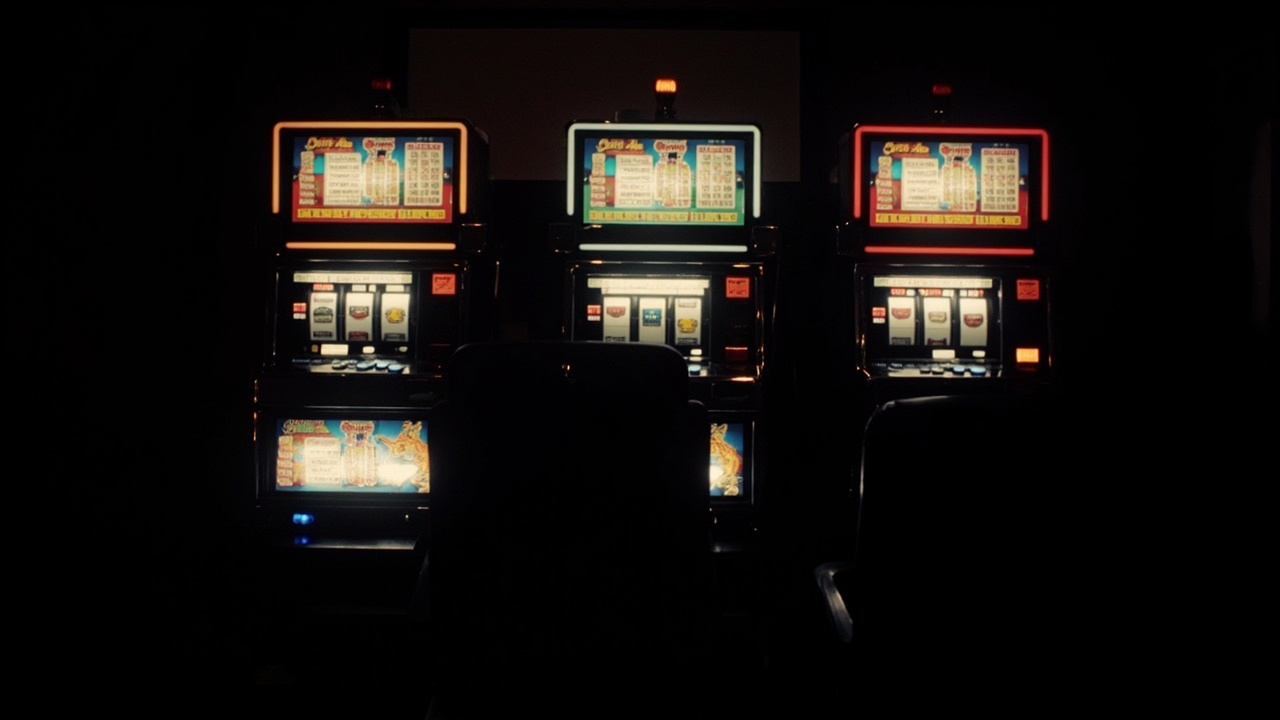
Targets that fit a wary bankroll
A wary player needs a target that survives a bad hour, not one that collapses the moment the reels go quiet. I think of it like setting a trim line on a print run: you leave enough room for the paper to move, but not so much that the job runs long and expensive. Pick a loss limit that is a percentage of what you brought, not a dollar figure you invented on the train. If you bring one hundred dollars, a twenty-dollar stop-loss is a trim line; a hundred-dollar stop-loss is a wish.
Daniel Stewart, Payments Strategy Director, Yarra Gaming Lab, puts it plainly: “A payment window that drags turns a sensible target into a guessing game, because players start chasing the clock instead of the spin.” I have seen that happen on floors where the cashier queue moved slower than the reels, and the players who lost most were the ones who kept feeding the machine while they waited for a withdrawal to clear. You can avoid that by checking how long a payout takes before you deposit, not after you are staring at a pending screen.
| Step | Typical window | What it means for your target |
|---|---|---|
| Account verification before first deposit | Same day to two days | You can set a real target only once your account is fully open |
| Withdrawal after bonus terms are met | One to three business days | Your target needs room for the turnover, or you will chase the clock |
| Withdrawal without bonus conditions | Often faster, sometimes within a day | Cleaner for a wary player who wants a hard ceiling |
| Dispute or hold on a payout | Variable, can stretch past a week | Build a buffer into any target that depends on getting money out |
The table above is not a promise from any operator; it is a way to judge whether your target can actually be met before the week turns. A player who sets a target that depends on a fast payout is betting on a process they have not checked. That is how a sensible plan turns into a week-long worry.
Where the reels are actually doing work
A slot that looks beautiful can still be a poor tool for a wary player, and the reverse is true as well. I have seen a plain three-reel game hold a session together because the maths were honest and the pace was readable, while a five-reel extravaganza with cascading pays and a story mode drained a bankroll in twenty minutes. The art matters, but the art is not the job. You can tell a lot by watching how often a feature triggers and whether the base game is actually carrying the session or just decorating it.
Lily Fisher, Product Analytics Lead, Boomerang Gaming Insights, has a view that cuts through the noise: “Hit frequency is the number most players ignore, and it is the one that decides whether a target is even reachable in a single sitting.” I agree with her on the number, though I would add that a fast hit rate can seduce a wary player just as quickly as a slow one if there is no ceiling on the session. A target that only watches wins is a target that will not last.
The bonus trap for cautious players
Bonuses are where cautious players get caught most often, because the offer looks like a gift and behaves like a contract. I have watched a player claim a match offer, hit the turnover requirement, and then realise the target they set on the way in was no longer achievable casino playing Australia under the new rules. The offer did not change; the player’s understanding of it did. Read the wagering number before you claim anything, and work out whether your target can survive it.
A short aside where I disagree with common advice: most guides tell you to always claim a welcome offer because it is free money. That is poor advice for a wary player, because a bonus can quietly stretch a session past the point where your target still makes sense. Sometimes the better move is to play without the offer, keep your own ceiling, and leave the turnover math out of your day. A clean session with your own money is often easier to manage than a decorated one with someone else’s rules.
Pacing yourself through a long week
A week is a better unit than a night, because a night invites drama and a week invites discipline. I plan sessions the way I plan a creative sprint: a clear start, a clear end, and a checkpoint in the middle where I decide whether to keep going. Set a mid-session checkpoint at the halfway mark of your clock, and at that point ask whether the target still feels reachable or whether you are already borrowing from tomorrow. If the answer is borrowed, close the tab and let the week reset.
You can read a local news site like Crikey for a sense of how a week actually feels before you log in, because a week that is already busy at work and at home is not a week for a loose target. A player who sets a target during a quiet week and then tries to carry it into a rough one is the one who ends up chasing. The target should fit the week you have, not the week you wish you had.
Getting your money out without the drama
A target is only as good as the day you actually leave the session with something in your pocket. I have seen players keep a target in their head while the withdrawal sat pending, and the uncertainty did more damage than the original loss. Check the payout route before you deposit, and pick the method that matches the window you are willing to live with. A method that clears quickly is not always the cheapest, and a method that is cheap is not always the fastest; the trade-off is real and it belongs in your plan.
Amelia Clarke, Compliance Director, Southern Reef Gaming, keeps her eye on the part most players skip: “A payout is only as clean as the account behind it, and a verified account is the cheapest insurance a player can buy before they ever spin.” I would add that a verified account also makes a target easier to judge, because you are not guessing whether your identity will slow things down when you finally want the money out. Sort the paperwork early, because paperwork at the end is just a slower version of the same problem.
Five moves that keep a session honest
- Set a loss limit as a percentage of what you brought, so the ceiling moves with the bankroll instead of staying frozen on a number you made up.
- Pick a clock time before you load the lobby, and close the tab when it rings even if the last spin looked like it was about to pay.
- Read the wagering requirement on any bonus before you claim it, and work out whether your target can survive the turnover math.
- Check the payout window for your chosen method before you deposit, so your target is not built on a process you have not verified.
- Use a mid-session checkpoint at the halfway mark of your clock, and decide there whether the target cavalodeferro.net still fits the week you actually have.
- Keep a note of the hit frequency you are actually seeing, because a target that ignores how often the machine pays is a target that will not last.
- Leave the welcome offer on the table when the turnover would stretch your session past the point where your ceiling still makes sense.
One thing to do before you log in today
Before you open the lobby today, write your ceiling and your floor on a scrap of paper and leave it next to the keyboard. A target only works when it is visible, and a visible target is the one that survives the first bad run. You can read an info in heaps of wins casino review if you want a second opinion on a site, but the number on the paper is the one that matters when the reels turn cold.